01
Emergency Call
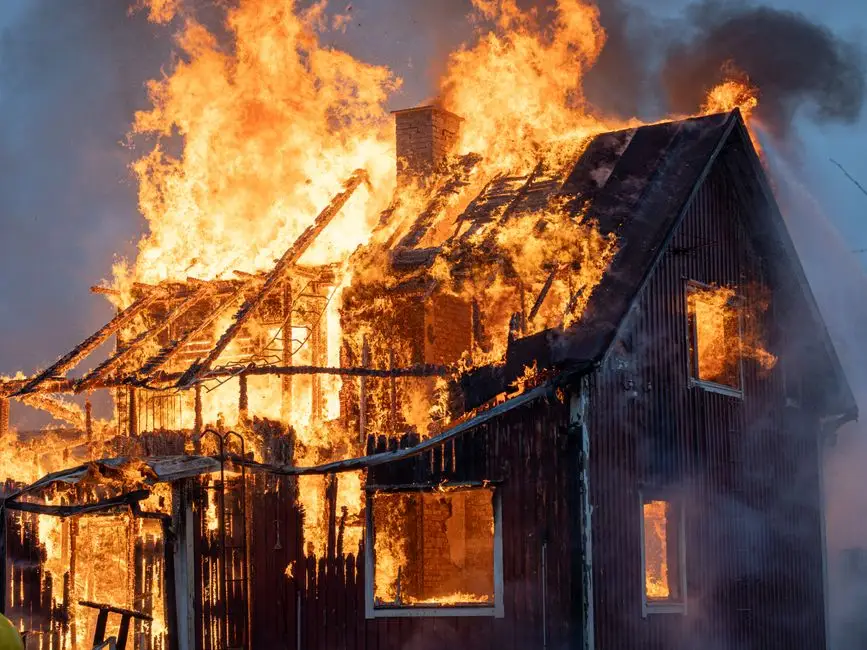
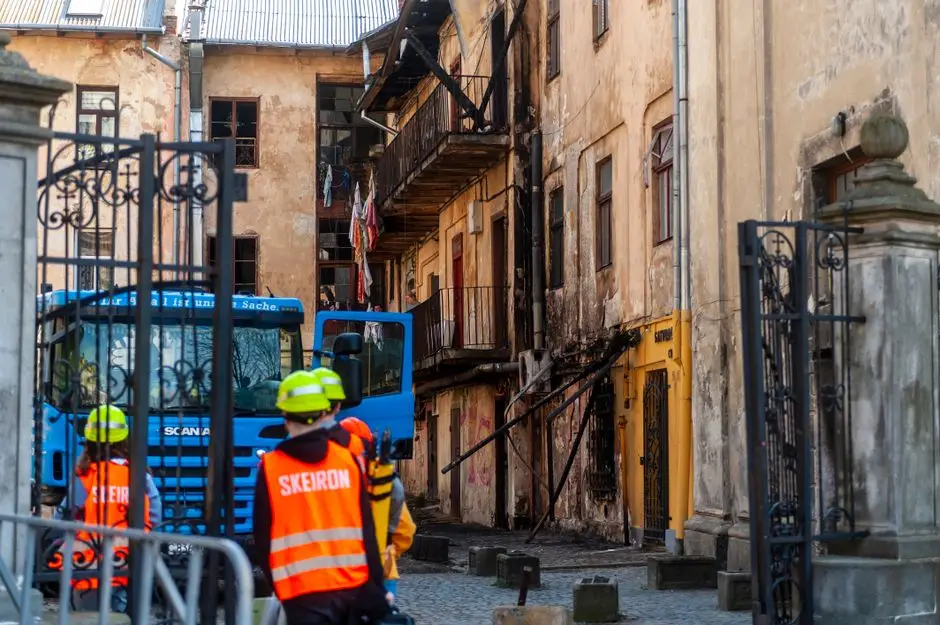
We pick up 24/7 and dispatch. Within the first hour we are asking the questions that matter: is the building secure, is power isolated, is the fire marshal holding the scene. We roll a crew with board-up materials, moisture meters, and thermal imaging cameras so nothing waits on a second trip.
02
Board-Up and Stabilize
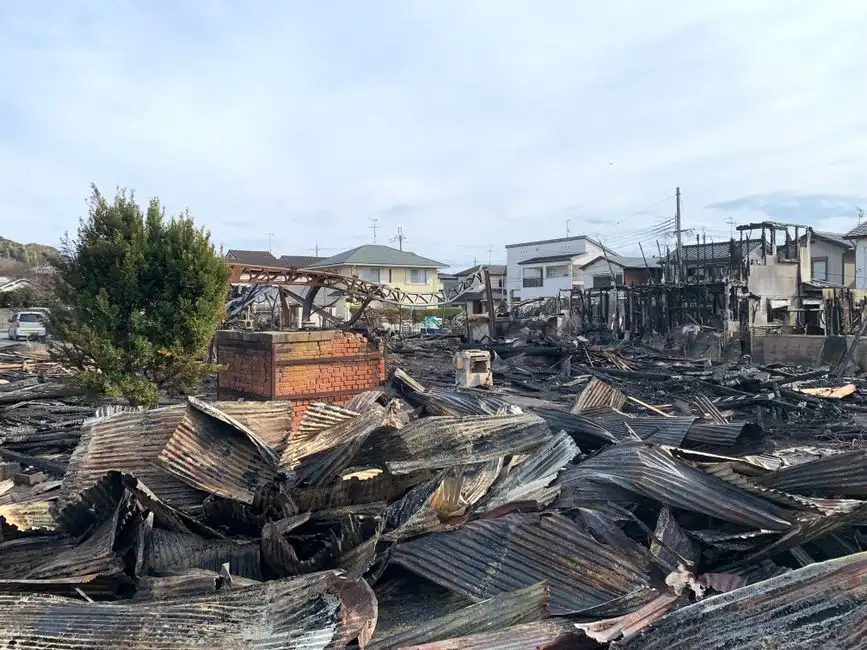
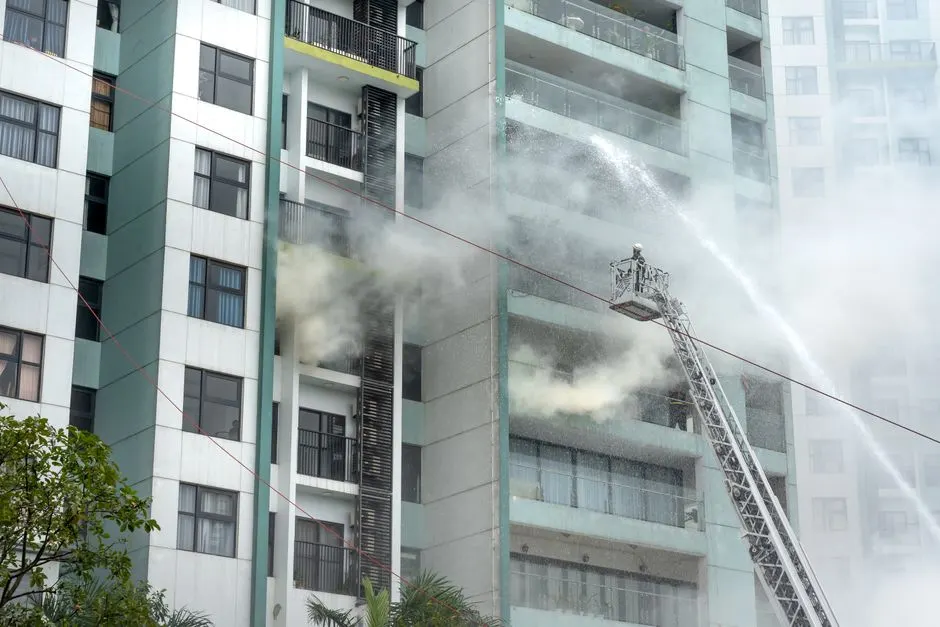
Before anything else, we secure the structure. Plywood over broken glass, tarp on fire-damaged roofing, temporary fencing if the site is exposed. If firefighting water is still standing, we start extraction immediately, because mold growth after firefighting water can begin in 24 to 48 hours.
03
Scope and Document
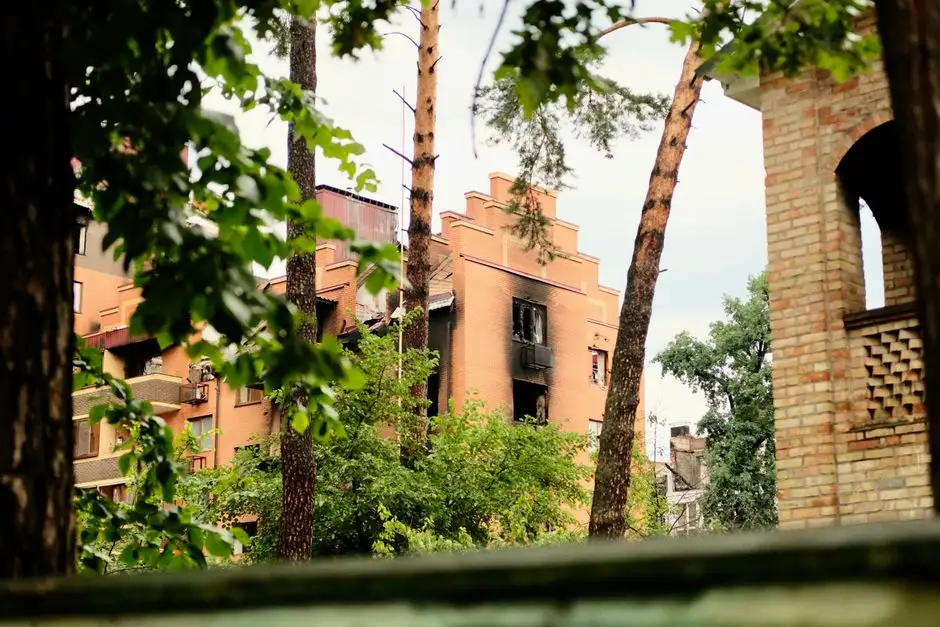
We walk the building room by room, photographing soot residue on walls and ceilings, logging moisture readings, and testing HVAC smoke contamination. You get a written scope and a documented file your adjuster can work from. This is the step that decides how your claim pays out.
04
Mitigate and Clean
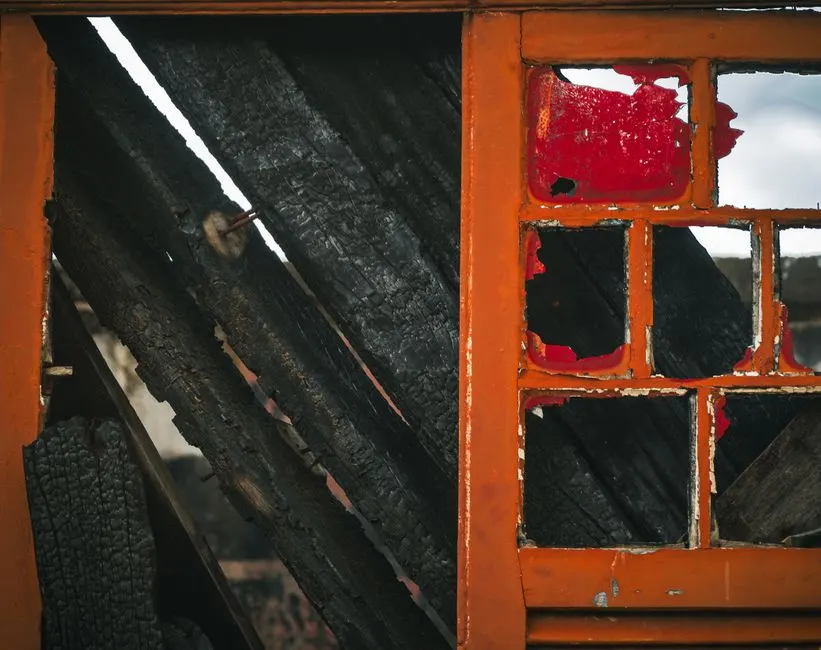
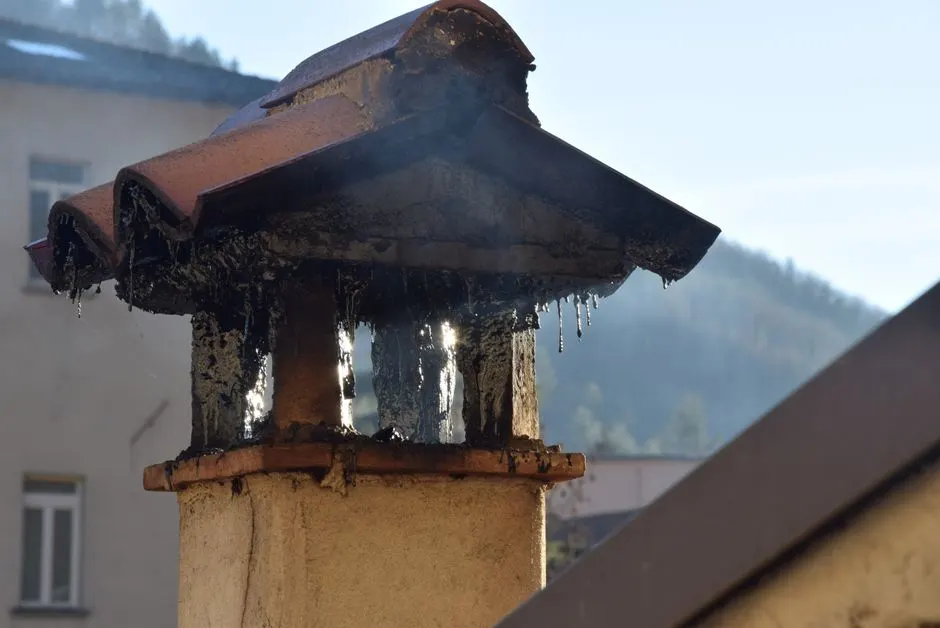
Charred framing and drywall come out. Soot sponges and HEPA vacuums handle the rest. We set air movers and dehumidifiers to dry the water damage from firefighting, run HEPA air scrubbers to capture airborne particles, and treat affected surfaces with smoke sealant before any rebuild starts.
05
Rebuild and Hand Back
Framing, drywall, insulation, paint, and finish work go back to code. We coordinate inspections and hand you a building you can open. Final walkthrough covers odor verification and a maintenance sheet so you know what to watch for in the first 90 days.