Black streaks on walls and ceilings after a kitchen fire
We test the residue, HEPA-vacuum the loose particles, sponge the film off top-down, then wet-clean and seal. Most EL TORO kitchen jobs are back to paint-ready in two to three days.
Soot Removal in EL TORO, California means pulling oily carbon residue off every surface it touched, not just wiping the visible black streaks. We handle soot cleanup EL TORO California for kitchens, garages, attics and whole homes after fires, puffbacks and electrical shorts. Our techs run HEPA air scrubbers, thermal foggers and odor counteractants so the smell leaves with the residue. Call (833) 929-6186 any hour.
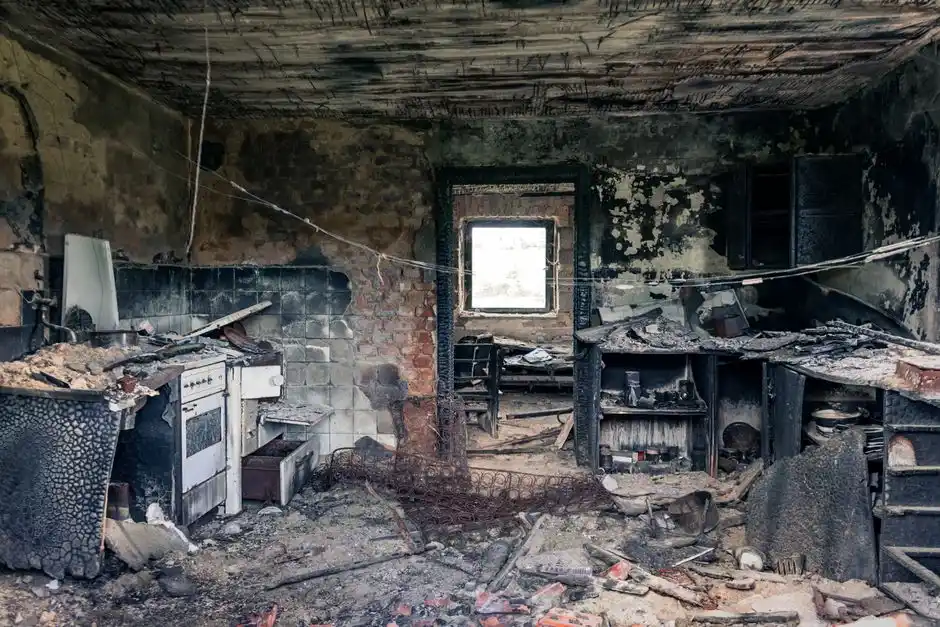
Soot Removal in EL TORO, California is the process of removing acidic carbon residue, charred debris and smoke-borne particles from walls, ceilings, framing, insulation and HVAC components after a fire. Soot is not ash. It is an oily, sticky film that bonds to drywall, stains paint within hours and etches metal and glass if it sits. We test the residue type first, because wet soot from a kitchen grease fire and dry soot from a fast-burning attic fire need different chemicals, sponges and dwell times.
Most EL TORO calls we run come from kitchen fires in El Toro Village condos, electrical shorts in older Bridlewood garages, and attic fires in Saddleback Valley homes where 1970s knob-and-tube wiring never got updated. Firefighting water adds a second problem: moisture trapped behind drywall feeds mold within 48 to 72 hours. That is why our soot removal services near me EL TORO response pairs soot cleaning with moisture mapping and structural drying on the same visit.
Every soot removal job in EL TORO includes the core steps below. Add-ons like duct cleaning, contents pack-out and structural rebuild are quoted separately once we see the scope, and we tell you upfront which ones your carrier will cover.
We seal the affected area with plastic sheeting and run a HEPA air scrubber with a negative air machine so soot particles cannot migrate to clean rooms. This runs the entire job, not just during cleaning.
We identify the soot type with a chemical sponge test, then HEPA-vacuum loose particles off ceilings, walls and framing before any liquid touches the surface. Skipping this step is how amateurs smear soot deeper into the drywall.
We wet-clean with a pH-matched solution, rinse, and seal remaining framing with a fire-rated caulk and smoke sealant. Charred drywall and insulation get cut out and replaced so the cavity is clean before rebuild.
Thermal fogging, ozone or hydroxyl treatment depending on occupancy, plus charcoal odor absorbers in closets and cabinets. We verify with a final walkthrough before pulling equipment, and we come back if odor returns within the warranty window.
We pull the filter, clean the blower and coil, and treat the ducts so the furnace does not redistribute soot the next time it runs. This is the step most homeowners skip and the reason smoke smell comes back a month later.
Photos, moisture readings, thermal imaging scans and a line-item scope formatted for your adjuster. We send it directly to your carrier and give you a copy so you know exactly what was claimed.
You call (833) 929-6186 and we roll a truck, day or night. A tech walks the home with you, identifies the fire origin, checks for live electrical hazards and shuts off the HVAC so soot stops circulating. We set containment with plastic sheeting and a negative air machine within the first hour so the rest of the house stays clean.
Not all soot cleans the same way. We test the residue with a chemical sponge on a hidden corner to identify protein, dry, wet or oil-based soot. Protein soot from a kitchen fire is nearly invisible but smells worse than black soot and needs an enzyme-based counteractant. Getting this wrong means smearing the residue deeper into the drywall.
We start dry. HEPA vacuums pull loose particles off ceilings, walls and framing before any liquid touches the surface. Then we sponge the remaining film with chemical soot sponges, working top-down so we never recontaminate a clean area. Ceilings take the longest because heat pushes soot upward and it bonds tight to the paint.
After dry removal, we wet-clean with a pH-matched solution, rinse, and let the surface dry. Any charred drywall, insulation or lumber gets cut out with a drywall saw and replaced. We seal the remaining framing with a fire-rated caulk and smoke sealant so odor cannot wick back through the wood on a hot day.
We run a thermal fogger or hydroxyl generator to treat the air and cavities, place charcoal odor absorbers in closets and cabinets, and let the equipment run 24 to 48 hours. Before we pull containment, we verify with a thermal imaging camera and moisture meter that no hidden moisture or hot spots remain. You get a written clearance summary.
Purpose-built equipment, used by trained technicians — so the job is done accurately the first time.
Filters airborne soot particles down to 0.3 microns and runs continuously during cleaning so particles do not resettle on clean surfaces.
Vaporizes a deodorizing solution that penetrates the same cavities smoke reached, neutralizing odor molecules inside drywall and framing.
Oxidize residual odor in unoccupied spaces. Hydroxyl units are used when occupants or pets need to stay in the home.
Finds hidden moisture from firefighting water behind drywall and identifies hot spots that could indicate a re-ignition risk.
Logs readings at every affected surface so we know when the structure is dry enough to close up and paint.
Maintains negative pressure inside containment so soot and demolition dust cannot escape into clean rooms.
Air movers and dehumidifiers we run in parallel with soot removal when firefighting water is present in the structure.
A grease fire on the stove sent protein soot across the kitchen ceiling, upper cabinets and the adjacent dining room. The smell was in every room within hours. The homeowner had already wiped one wall with a wet rag, which had smeared the soot into the paint.
We contained the kitchen and dining area, HEPA-vacuumed the ceilings and walls, cleaned with an enzyme counteractant, and ran a thermal fogger for six hours. The smeared wall was sealed and repainted. Total job time was three days, and the final odor check passed with zero detectable smell.
An electrical short in the garage panel filled the home with fine dry soot that settled on every horizontal surface, including bedding and the inside of kitchen cabinets. The HVAC had been running for two days before the family noticed the smell in the bedrooms.
We contained the garage, pulled the HVAC filter, cleaned the blower and coil, and treated the ducts. Every room was wiped top-down, and a HEPA air scrubber ran for 48 hours. The thermal imaging camera caught moisture from the fire hose behind one wall, which we dried before closing up.
An attic fire from old knob-and-tube wiring pushed soot down through recessed lights and into two bedroom closets. The insulation was contaminated, and the smell was strongest in the closets and hallway. The homeowner was worried the whole attic would need to be gutted.
We removed the contaminated insulation, cleaned the framing, sealed it with fire-rated caulk and smoke sealant, and treated the attic with a thermal fogger. Charcoal odor absorbers went into both closets. The final walkthrough passed, and the family moved back in on day five.
Soot does not just look bad. It etches, it smells, and it hides in places you cannot see. Here are the problems we get called for most often in EL TORO and how we handle each one.
Ask a pro →We test the residue, HEPA-vacuum the loose particles, sponge the film off top-down, then wet-clean and seal. Most EL TORO kitchen jobs are back to paint-ready in two to three days.
We run a thermal fogger or hydroxyl generator to reach the same cavities the smoke reached, then place charcoal odor absorbers. We verify odor is gone before we pull equipment.
We shut off the HVAC on arrival, contain the source room, clean the blower and coil, and treat the ducts. A HEPA air scrubber runs the whole job to catch airborne particles.
We map moisture with a moisture meter and thermal imaging camera, set air movers and dehumidifiers, and dry the structure before we close it up. Soot removal and drying run in parallel.
Typical 2026 pricing in EL TORO runs $450 to $1,800 for a single room and $2,500 to $6,500 for a whole-home job with HVAC contamination. Cost drivers are square footage, soot type, whether drywall or insulation has to be cut out, and how many rooms the smoke reached. If your insurance covers the loss, most of that is billed directly to the carrier.
Do not wipe wet soot with a wet rag; you will smear it deeper into the drywall. Vacuum loose particles with a HEPA vacuum first, then sponge with a chemical soot sponge working top-down, then wet-clean with a pH-matched solution and rinse. Protein soot from a kitchen fire needs an enzyme counteractant, not soap. If the drywall is charred or the odor is in the cavity, call a pro.
Fire Damage Restoration El Toro handles soot cleanup across El Toro Village, El Toro Highlands, Pebble Beach, The Woods, Bridlewood, Vintage Hills, Saddleback Valley, Lake Forest Gateway, Trabuco Canyon and Portola Hills. We run 24/7 dispatch at (833) 929-6186 with IICRC-certified techs and containment equipment on every truck. Same-day walkthroughs are standard.
Yes, most homeowner policies cover soot cleanup as part of the fire loss, including walls, ceilings, HVAC and contents. We document the damage with photos, moisture readings and a line-item scope your adjuster can process, and we bill the carrier directly when they approve. If your claim is denied, we will walk you through what to send back to the adjuster.
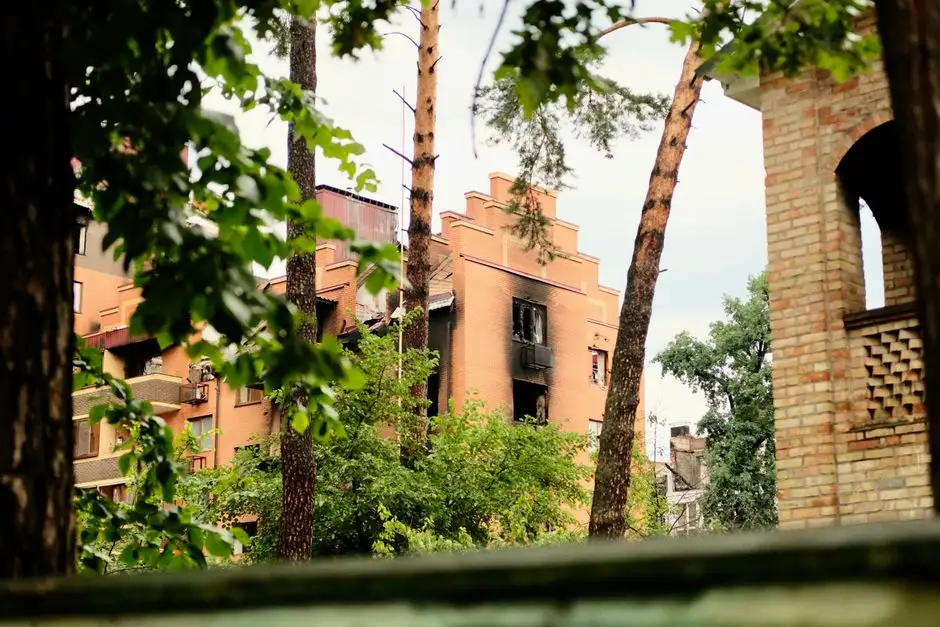 Smoke Damage RestorationSmoke damage restoration goes hand-in-hand with soot removal in EL TORO because the same particles that stain walls also carry the odor. We treat both in one visit, using thermal fogging and hydroxyl generators to reach cavities the sponge cannot.Explore →
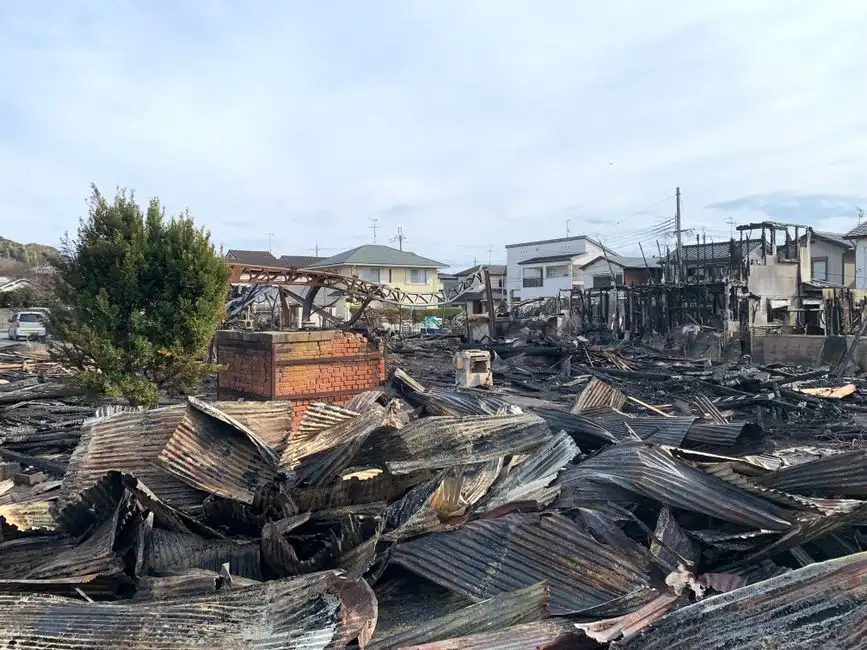 Fire Damage Clean UpFire damage clean up covers debris hauling, charred material removal and surface cleaning after the soot is off. For EL TORO customers, we sequence soot removal first so the cleanup crew is not recontaminating clean surfaces with residue from the burn room.Explore →
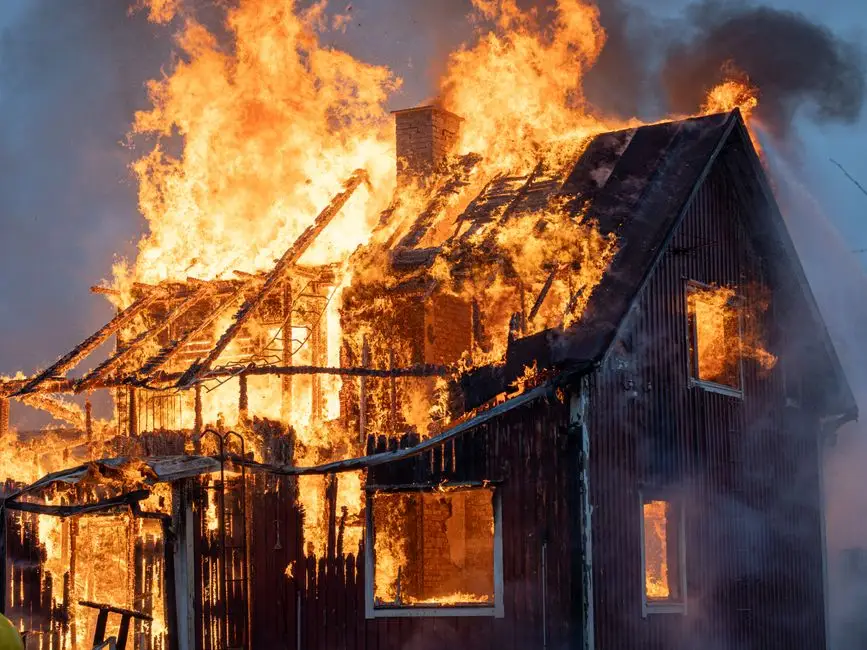 Emergency Fire Damage RestorationEmergency fire damage restoration is the 24/7 response that stops a fire loss from getting worse. In EL TORO, that means board-up, containment and soot stabilization within hours of the call, before secondary damage sets in.Explore →
 Structural Repair After FireStructural repair after fire rebuilds what the fire and the soot removal process had to open up. We replace charred framing, drywall and insulation, then seal with fire-rated caulk so the repaired wall matches the rest of the EL TORO home.Explore →
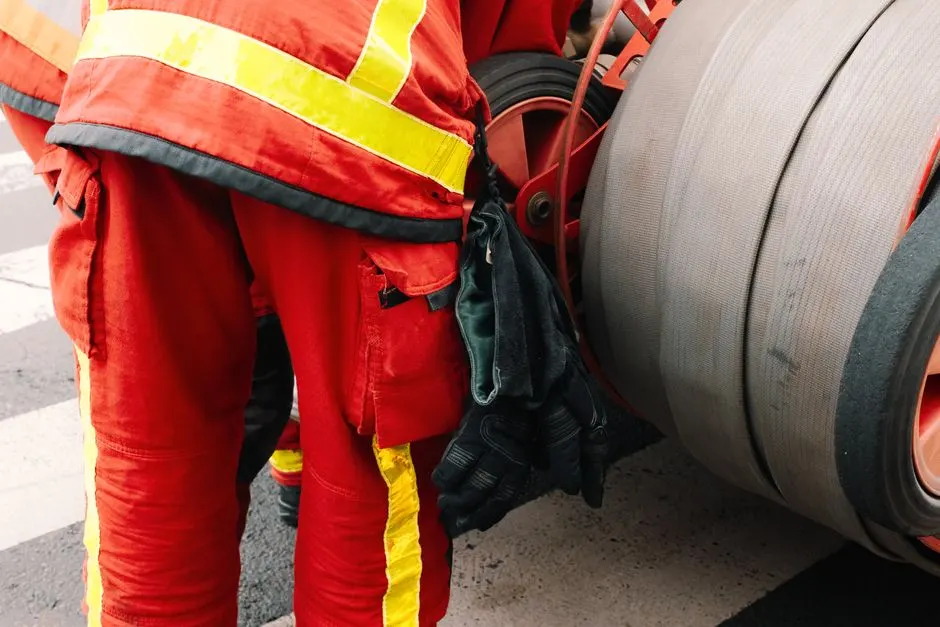 Odor Removal After FireOdor removal after fire targets the smoke molecules that soak into drywall, insulation and soft goods. EL TORO customers get thermal fogging, ozone or hydroxyl treatment, and charcoal odor absorbers placed in closets and cabinets for long-term control.Explore →
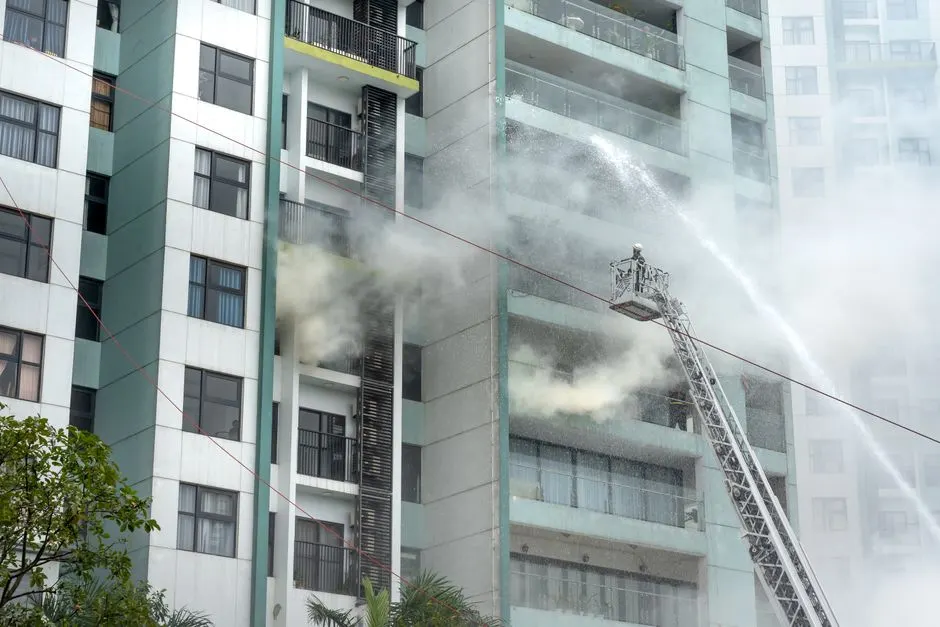 Smoke RemediationSmoke remediation is the broader process of neutralizing smoke residue across a structure. In EL TORO we pair it with soot removal so the visible film and the invisible odor get handled in the same containment zone.Explore →
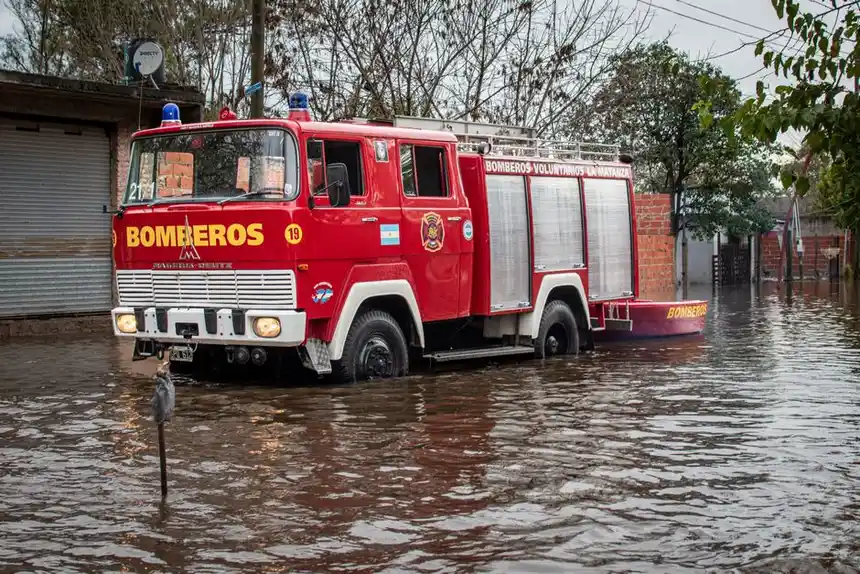 Fire and Flood RestorationFire and flood restoration handles the one-two punch of fire damage plus firefighting water. EL TORO homes often need soot removal and structural drying at the same time, which is why we run air movers and dehumidifiers alongside the soot crew.Explore →
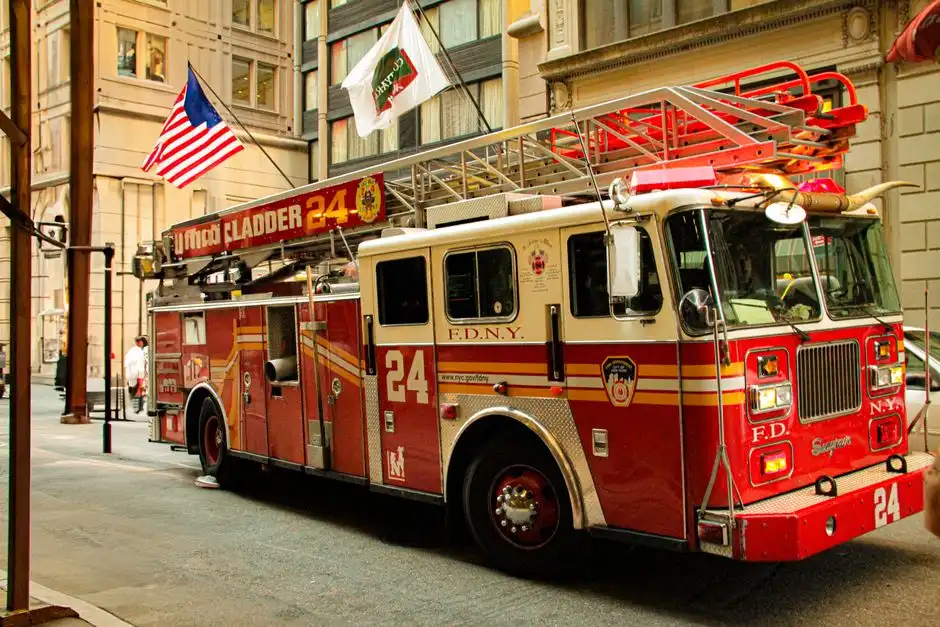 24 hour Fire Restoration24 hour fire restoration is our round-the-clock response for EL TORO fire losses. Call at any hour and a tech arrives with containment, a HEPA air scrubber and a moisture meter to stabilize the home before soot spreads further.Explore →
Soot etches glass and stains drywall within 72 hours, so the clock is running. Call (833) 929-6186 and we dispatch a certified tech with containment, a HEPA air scrubber and a moisture meter. We document everything for your insurance carrier and quote a flat range before we start.
Call for Dispatch (833) 929-6186 →If your home or business has fire, smoke, or water damage, call us now at (833) 929-6186. We answer 24 hours a day, seven days a week, and dispatch a truck within 60 minutes anywhere in El Toro. You can also email info@firedamagerestorationeltoro.com and we will respond the same day.